 HueWalls
MacでFLUX 3 Kleinを動かす:解像度別の生成時間と上限の見極め
M4 Max・64GBのMacでFLUX 3 Kleinを実測。1008×2176は約9〜10分、2560×1600は20分超で失敗。トークン数の目安、モデル配置、停止ルール、再現条件まで整理します。
まず結論:どのサイズなら何分待つか
Macで壁紙を作るとき、最初に知りたいのは「使える解像度はどこまでか」と「何分待つか」だと思います。HueWallsの壁紙制作に使っているApple M4 Max/64GBユニファイドメモリのMacで、FLUX 3 Klein(int8のbaseチェックポイント)を30ステップ・CFG 3.5で回した実測がこちらです。
| 出力サイズ | 用途 | image tokens(格子) | 結果 | 所要時間 |
|---|---|---|---|---|
| 1008×2176 | スマホ壁紙 | 8,568(63×136) | 成功 | 561秒 / 554秒 / 586秒(3回) |
| 1600×896 | 16:9カバー | 5,600(100×56) | 成功 | 340秒(1回) |
| 1728×1088 | デスクトップ | 7,344(108×68) | 成功 | 約480秒(以前の1回) |
| 2560×1600 | デスクトップ | 16,000(160×100) | INT_MAXエラーで失敗 | 20分以上走ったあと(以前の1回) |
スマホ縦長サイズは1枚あたり約9〜10分、16:9なら約6分弱。この結果では、スマホ用を3枚続けて生成する場合は30分前後が目安です。すべて30ステップ、同時に走らせた画像は常に1枚だけという条件での数字です。

左からGive Thanks、Thanksgiving、雪の窓辺。1008×2176、30ステップ、CFG 3.5。
この3枚はシードを固定して出したもので、Give Thanks(seed 864806374791918)が560.9秒、Thanksgiving(seed 283171623447621)が554.0秒、Snowy window seat(seed 986995460342718)が586.1秒でした。同じサイズでも30秒ほど揺れるので、見積もりは「約10分」と幅を持たせておくのが安全です。
2560×1600の失敗は「1回の観測」として読む
2560×1600は、20分以上計算を続けた末にINT_MAXのエラーで落ちました。原因はMPSバックエンド側のattentionテンソルのハードなサイズ上限で、こちらの設定ミスではありません。重要なのは、失敗がキュー投入直後ではなく終盤に来ることです。待ってから無駄になるのが一番痛いので、事前判定に価値があります。
目安になるのがimage tokensで、(width / 16) × (height / 16) で計算できます。今回の観測では約9,000トークンまでは成功し、16,000トークンで失敗しました。ただし正確な境界は特定していません。あくまで「このマシンで通った範囲」なので、9,000をやや余裕を持った上限として扱い、それを超えるサイズは小さい候補で試してから拡大する、という運用をおすすめします。2560×1600の失敗も以前の1回の試行であり、他の条件で必ず同じ結果になるとは限りません。
環境とモデル配置のチェックリスト
時間を再現したい場合、環境の差分を先に潰しておきます。使用したのはmacOS 15.3、ComfyUIデスクトップアプリ0.42.5(公式ガイドの最低要件は0.41.0以降)、Python 3.13.12、PyTorch 2.12.1、バックエンドはMPSです。起動フラグは --enable-assets と --enable-manager のみで、--gpu-only は使っていません。入出力フォルダは独自指定にしています。
モデルはblack-forest-labsの配布ページから入手します。ゲート付きで、ダウンロード前にライセンス承諾が必要です。ライセンスはFLUX Kommunity Licenseなので、出力を商用利用する前に必ず本文を読んでください。
| ファイル | 配置先 | サイズ | 役割 |
|---|---|---|---|
| flux3-image-klein-base-int8-convrot.safetensors | ComfyUI/models/diffusion_models/ | 5.41 GiB | 画像モデル |
| qwen3vl_4b_int8_convrot.safetensors | ComfyUI/models/text_encoders/ | 4.52 GiB | テキストエンコーダ |
| flux2-vae.safetensors | ComfyUI/models/vae/ | 0.31 GiB | VAE |
同じページには蒸留版チェックポイント(4〜16ステップ、CFG 1)とプロンプトアップサンプラーもありますが、今回はどちらも使っていません。テキストエンコーダはCLIPLoaderで読み込み、typeは flux3 を指定します。
サンプリング側はsteps 30、CFG 3.5、sampler euler、scheduler simple、denoise 1.0、batch size 1、ネガティブプロンプトは空、プロンプトエンハンサーはオフです。なお公式ガイドはbaseチェックポイントに50ステップを推奨していますが、30と50の比較は行っていません。品質の最適値ではなく「30ステップでの実測」と理解してください。
つまずきやすい4点と停止ルール
最初に遭遇したのは、w4a8のプロンプトアップサンプラーが出す Float8_e4m3fn not supported でした。Apple MPSでは未サポートで、CPUに逃がせば動きますが実用にならないほど遅くなります。最終的にアップサンプラーのノードをワークフローから外しました。結果として、光の方向、素材感、構図、画面のどこを空けるかまで、すべてプロンプト側に書く必要があります。
同じエラーは --gpu-only のようなグローバル起動フラグを付けたときにも再発しました。起動フラグはいじらないのが正解です。3つ目が前述の大型サイズのlate failure、4つ目がメモリ圧迫で、重い処理を並行させるとシステムがComfyUIごと落とすことがあります。1枚ずつ、マシンはできるだけ静かに保つ、が今回の停止ルールです。
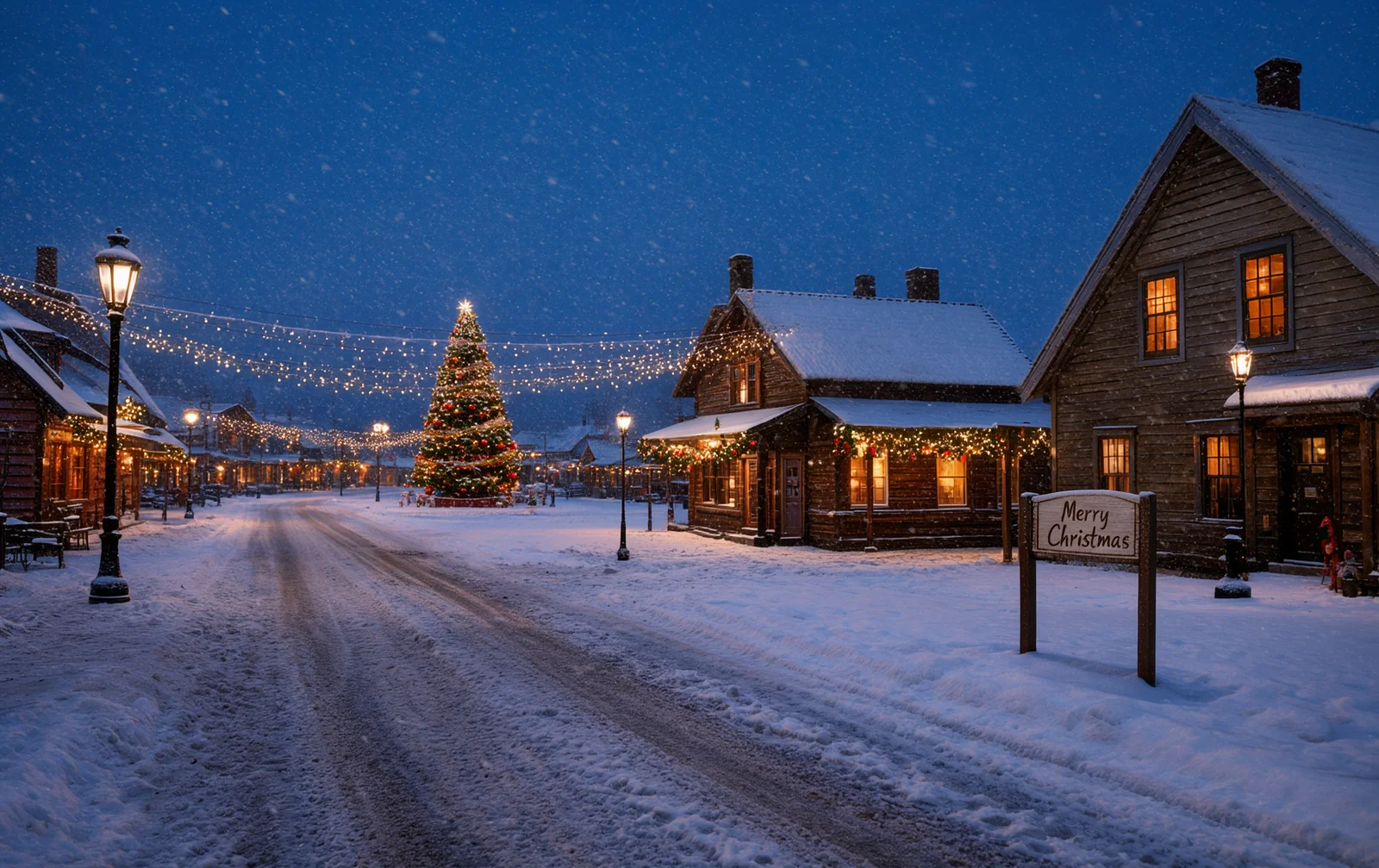
1728×1088、以前のテスト1回分の出力。
文字表現については、OPEN LATE、Merry Christmas、Books and Tea、Give Thanks、Thanksgivingの5フレーズを試して5件とも正しく描画されました。Give ThanksとThanksgivingは初回で正解です。プロンプトは引用符を付けず the words Give Thanks という書き方にしています。ただし各フレーズ1シードずつの小サンプルで、短い文字のみ、スペルは全画像を目視確認しました。「必ず正しい」とは言えません。
再現に必要な条件と、まだ試していないこと
ワークフローは公式Kleinテンプレートからプロンプトエンハンサーのノードを除いたものを、ComfyUIのAPI形式(/promptエンドポイント)でHTTP経由で投げている構成です。ノードはポジティブプロンプトが18:17、画像サイズが18:6、サンプラー設定が18:7で、投入スクリプトが読むJSONのファイル名は flux3_klein_api.json です。UIからJSONをインポートする経路は検証していません。
未検証の項目も明示しておきます。30ステップと推奨50ステップの比較、蒸留チェックポイント(4〜16ステップ)、他のMacや64GB未満のメモリ構成、そしてUI経由のインポートです。数値はすべて筆者自身のマシンでの測定で、他環境の性能を保証するものではありません。
判断のまとめとしては、スマホ壁紙なら1008×2176で約10分を1枚ずつ、_cover用途なら1600×896で約6分。キューに入れる前に(width/16)×(height/16)を計算して約9,000未満に収める。テキストエンコーダはint8・type flux3、起動フラグは追加しない。短く大きい文字はよく描けますが、スペルは必ず自分の目で確認する。この4点を押さえれば、Macでも待てる範囲で安定して回せます。
再現用の設定と入力
以下は検証で使用した設定や入力です。実行環境と出力条件は本文を参照してください。
{
  "9": {
    "inputs": {
      "filename_prefix": "flux3",
      "images": [
        "18:8",
        0
      ]
    },
    "class_type": "SaveImage",
    "_meta": {
      "title": "保存图像"
    }
  },
  "18:17": {
    "inputs": {
      "value": ""
    },
    "class_type": "PrimitiveStringMultiline",
    "_meta": {
      "title": "字符串(多行)"
    }
  },
  "18:1": {
    "inputs": {
      "unet_name": "flux3-image-klein-base-int8-convrot.safetensors",
      "weight_dtype": "default"
    },
    "class_type": "UNETLoader",
    "_meta": {
      "title": "UNet加载器"
    }
  },
  "18:4": {
    "inputs": {
      "text": [
        "18:17",
        0
      ],
      "clip": [
        "18:2",
        0
      ]
    },
    "class_type": "CLIPTextEncode",
    "_meta": {
      "title": "Positive Prompt"
    }
  },
  "18:2": {
    "inputs": {
      "clip_name": "qwen3vl_4b_int8_convrot.safetensors",
      "type": "flux3",
      "device": "default"
    },
    "class_type": "CLIPLoader",
    "_meta": {
      "title": "加载CLIP"
    }
  },
  "18:7": {
    "inputs": {
      "seed": 1,
      "steps": 30,
      "cfg": 3.5,
      "sampler_name": "euler",
      "scheduler": "simple",
      "denoise": 1.0,
      "model": [
        "18:1",
        0
      ],
      "positive": [
        "18:4",
        0
      ],
      "negative": [
        "18:5",
        0
      ],
      "latent_image": [
        "18:6",
        0
      ]
    },
    "class_type": "KSampler",
    "_meta": {
      "title": "K采样器"
    }
  },
  "18:3": {
    "inputs": {
      "vae_name": "flux2-vae.safetensors"
    },
    "class_type": "VAELoader",
    "_meta": {
      "title": "加载VAE"
    }
  },
  "18:6": {
    "inputs": {
      "width": 1008,
      "height": 2176,
      "batch_size": 1
    },
    "class_type": "EmptyFlux2LatentImage",
    "_meta": {
      "title": "空Latent图像(Flux2)"
    }
  },
  "18:5": {
    "inputs": {
      "text": "",
      "clip": [
        "18:2",
        0
      ]
    },
    "class_type": "CLIPTextEncode",
    "_meta": {
      "title": "Negative Prompt (empty = reference default)"
    }
  },
  "18:8": {
    "inputs": {
      "samples": [
        "18:7",
        0
      ],
      "vae": [
        "18:3",
        0
      ]
    },
    "class_type": "VAEDecode",
    "_meta": {
      "title": "VAE解码"
    }
  }
}
import json, random, time, urllib.request

HOST = "http://127.0.0.1:8188"

def call(path, body=None):
    req = urllib.request.Request(HOST + path, data=json.dumps(body).encode() if body is not None else None,
                                 headers={"Content-Type": "application/json"})
    return json.load(urllib.request.urlopen(req, timeout=30))

wf = json.load(open("flux3_klein_api.json"))
wf["18:17"]["inputs"]["value"] = "A cozy window seat on a snowy evening, ..."   # positive prompt
wf["18:6"]["inputs"].update(width=1008, height=2176)                           # multiples of 16
wf["18:7"]["inputs"].update(seed=random.randint(1, 2**50), steps=30, cfg=3.5)
wf["9"]["inputs"]["filename_prefix"] = "flux3_demo"

pid = call("/prompt", {"prompt": wf, "client_id": "demo"})["prompt_id"]
while pid not in (hist := call("/history")):
    time.sleep(15)
print(hist[pid]["status"]["status_str"], [i["filename"] for o in hist[pid]["outputs"].values() for i in o.get("images", [])])
A vertical photo-realistic photograph. A rustic wooden table in warm afternoon light, with a small pumpkin, a few dried maple leaves in red and orange, and a lit candle in the lower part of the frame. In the middle of the frame, elegant hand-lettered cursive text that reads the words Give Thanks, in soft cream white, large and clearly legible, with a subtle shadow. Warm golden-hour color palette, shallow depth of field, soft film grain. The top third of the frame is clean, softly blurred warm background, left empty. No people, no logos, no other text.
A vertical minimalist flat illustration. A smooth gradient background from burnt orange at the bottom to warm cream at the top. A few simple falling maple leaves and oak leaves in terracotta, mustard and deep brown, scattered across the lower two thirds. In the middle of the frame, bold clean serif text that reads the words Thanksgiving, in deep brown, large, centered, high contrast against the background. The top third of the frame is a plain, uncluttered area kept empty. No people, no logos, no other text.
A vertical photo-realistic photograph of a cozy window seat on a snowy evening: a wide wooden windowsill with a folded cream knit blanket and a steaming ceramic mug, a small candle glowing beside it. Outside the frosted glass, soft snow falls over blurred pine trees and distant warm yellow house lights. Soft diffused blue-grey twilight mixed with warm candle glow, small ice crystals on the glass corners, calm and quiet mood, shallow depth of field, film-like grain. The still life sits in the lower middle of the frame, fully inside the frame, and the top third is a clean, softly blurred snowy window area left empty. No people, no text, no logos.